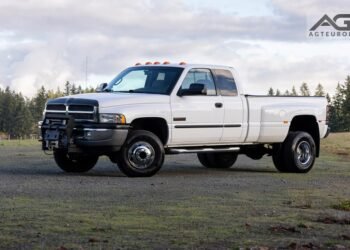
If you’re shopping for a Dodge Ram truck, one of the most trusted engines you’ll find is the Cummins diesel. These engines are famous for their power, long life, and pulling strength. But not every Dodge Cummins is a perfect buy. Some model years come with problems that can cost you a lot in repairs. If you want to avoid bad surprises, it’s smart to learn which Dodge Cummins years to avoid and why.
This guide will give you a clear look at the worst years for Dodge Ram trucks with Cummins engines. You’ll discover what went wrong in those years, how to spot trouble, and what years are safer choices. Whether you’re a first-time diesel buyer or a truck lover upgrading your ride, this article will help you make a smart decision and save money in the long run.
What Is The Dodge Cummins?
The Dodge Ram Cummins is a pickup truck built by Dodge (now Ram Trucks) with a diesel engine from Cummins Inc. First introduced in 1989, the Cummins turbo diesel changed the game for heavy-duty trucks. These engines offer:
- High torque for towing heavy loads
- Fuel efficiency compared to gas engines
- Long life when maintained properly
Over the years, Dodge has used several versions of the Cummins engine. Common types include the 5.9L 12-valve, the 5.9L 24-valve, and the 6.7L. While many are reliable, a few model years have serious issues.
Why Certain Years Should Be Avoided
Not every Dodge Ram with a Cummins is a good buy. Some years have major problems that can lead to expensive breakdowns. The main reasons you might want to avoid certain years include:
- Engine failures (fuel system, head gasket, valves)
- Transmission problems
- Weak electronics
- Rust and body problems
- Expensive repairs
Often, these issues are due to poor designs, bad parts, or weak emission systems. Buying a truck from a bad year could mean endless trips to the repair shop.
Dodge Cummins Years To Avoid: The Main Problem Years
Let’s break down the Dodge Cummins years to avoid. Below, you’ll find which years are most risky and the main problems with each.
1. 1991.5–1993 (early 12-valve)
These early 12-valve Cummins engines are loved for their simplicity, but some late 1991 through 1993 models had issues with their VE fuel pumps. These pumps can fail, especially if the truck wasn’t maintained well. Parts are also getting hard to find, making repairs expensive.
Main problems:
- VE pump failures
- Weak automatic transmissions
- Rust-prone bodies
2. 1998.5–2002 (early 24-valve)
The switch to the 24-valve 5.9L Cummins in late 1998 brought more power and efficiency. But these years (especially 1999 and 2001) are famous for their 53 block engine issue. The “53 block” is a casting defect that can crack, causing coolant leaks and engine failure.
Main problems:
- 53 block cracks (mainly 1999–2001)
- VP44 injection pump failures
- Electrical gremlins
- Weak lift pumps
If you’re looking at one of these, always check if it has the 53 block (cast into the side of the engine).
3. 2003–2004 (early Common Rail)
Dodge moved to common rail injection in 2003. These engines (especially 2003–2004) had problems with injector failure due to poor fuel filtration. Replacing injectors is expensive.
Main problems:
- Injector failures
- Weak lift pumps
- Early EGR system problems
A failed injector can cause fuel to leak into the cylinder, which may destroy the engine if not caught early.
4. 2007.5–2009 (first 6.7l Cummins)
The 6.7L Cummins was new in mid-2007, bringing more power and meeting stricter emissions rules. But these early models had major issues with the diesel particulate filter (DPF) and EGR systems. Owners report frequent limp mode, power loss, and expensive repairs.
Main problems:
- DPF and EGR clogging
- Turbo actuator failures
- Head gasket leaks
- Emission system failures
Many trucks needed expensive repairs before 100,000 miles.
5. 2011–2013 (6.7l Cummins)
Ram made updates to the emissions system in these years. But problems with the DEF system, sensors, and turbo actuators kept happening. Some owners also report transmission failures in 2012 and 2013.
Main problems:
- DEF system issues
- Turbo actuator failures
- Transmission shudder
- Sensor failures
If you drive a lot of short distances, these trucks tend to clog up the emission system faster.
Data Table: Dodge Cummins Years To Avoid And Main Issues
Here’s a clear comparison of the most problematic Dodge Cummins years and the most common trouble you’ll face:
| Model Years | Engine | Main Problems |
|---|---|---|
| 1991.5–1993 | 5.9L 12-Valve | VE pump failure, weak transmission, rust |
| 1998.5–2002 | 5.9L 24-Valve | 53 block cracks, VP44 pump, lift pump, electrical |
| 2003–2004 | 5.9L Common Rail | Injector failure, lift pump, EGR issues |
| 2007.5–2009 | 6.7L | DPF/EGR failure, turbo, head gasket |
| 2011–2013 | 6.7L | DEF, turbo, transmission, sensors |
Why These Problems Matter
When you buy a used truck, you want something reliable. The issues listed above can lead to:
- Expensive repairs: Some fixes can cost $3,000–$7,000 or more.
- Downtime: Trucks stuck in the shop hurt your work or travel.
- Lower resale value: Problem years don’t hold value well.
- Hard-to-find parts: Older trucks may be hard to fix.
These headaches are why it’s smart to avoid the worst years, even if the price looks good.
The Best Dodge Cummins Years (safe Choices)
Not all Dodge Cummins trucks are risky. Some years are known for strong engines and fewer problems. If you want a good used truck, look for these years:
- 1994–1998 (12-Valve 5.9L): Simple, reliable, and easy to fix.
- 2004.5–2007 (5.9L Common Rail): Better injectors, fewer emission issues.
- 2010: Updated emissions with fewer problems than 2007.5–2009.
- 2014–2018: Improved DEF/DPF reliability and better electronics.
- 2019–2022: Latest 6.7L engines with advanced technology.
These trucks are often more expensive, but the peace of mind is worth it.
Common Problems By Generation
Every generation of Dodge Cummins has its own issues. Here’s a deeper look at the main trouble spots, so you can check them before buying.
1st Generation (1989–1993)
- VE pump failure: Especially late models, as mentioned earlier.
- Rust: Frames, floors, and fenders often rust badly.
- Weak automatics: The A518 transmission is not as strong as the engine.
2nd Generation (1994–2002)
- 53 block cracks: Only some 1998.5–2001 engines.
- VP44 injection pump: Fails if lift pump is weak.
- Electrical issues: Power windows, locks, and dash can fail.
3rd Generation (2003–2009)
- Injector problems: Early common rail models (2003–2004).
- EGR/DPF failures: Especially in 2007.5–2009.
- Turbo actuator: Known to fail in 6.7L engines.
4th Generation (2010–2018)
- DEF/DPF system: 2011–2013 most problematic.
- Turbo actuator: Still a weak point.
- Sensor failures: Emission sensors can be expensive.
5th Generation (2019–present)
- Minor DEF issues: Far less common.
- Complex electronics: Can be expensive to repair out of warranty.
Table: Cummins Engine Generations And Their Main Issues
To help you compare, here’s a quick reference for Cummins engine generations and what to watch out for:
| Generation | Years | Engine | Main Issues |
|---|---|---|---|
| 1st | 1989–1993 | 5.9L 12-Valve | Rust, VE pump, weak transmission |
| 2nd | 1994–2002 | 5.9L 12V/24V | 53 block, VP44 pump, electrical |
| 3rd | 2003–2009 | 5.9L/6.7L | Injectors, EGR/DPF, turbo actuator |
| 4th | 2010–2018 | 6.7L | DEF/DPF, turbo, sensors |
| 5th | 2019–Present | 6.7L (HO) | Minor DEF, electronics |
How To Spot A Bad Dodge Cummins Year
If you’re serious about buying a used Dodge Cummins, don’t just trust the seller. Here are steps to help you check for trouble:
- Check the engine block number: For 1998.5–2002, look for the “53” cast on the driver side of the block. Avoid these if possible.
- Ask for service records: Trucks with regular maintenance are much safer.
- Look for warning lights: If the check engine, ABS, or transmission light is on, walk away unless you know the fix is simple.
- Test drive: Does the transmission shift smoothly? Any loss of power? Hesitation? These are red flags.
- Scan for codes: Use a code reader to find hidden problems, especially with emissions.
- Check for leaks: Look for coolant, oil, or fuel leaks around the engine.
Many buyers skip these steps and regret it later. Spending an hour now can save thousands.
Real-world Examples Of Expensive Repairs
To understand the risks, here are examples of repairs owners faced in bad Dodge Cummins years:
- VP44 injection pump replacement (1998.5–2002): $2,000–$3,500
- 53 block engine replacement: $7,000–$12,000 (if you can find a good block)
- Injector set replacement (2003–2004): $3,500–$5,000
- DPF and EGR repair (2007.5–2009): $2,500–$4,000
- Turbo actuator replacement (6.7L): $1,500–$2,500
These aren’t small repairs. Even small emission part failures can cost more than $1,000.
What Really Matters When Choosing A Dodge Cummins
If you want a Dodge Cummins that lasts, here’s what’s most important:
- Engine generation: Later 5.9L and newer 6.7L engines are safest.
- Service history: Trucks with full records are better cared for.
- Transmission: The 68RFE (2007.5+) is better than the older 48RE, but still not as tough as the Aisin.
- Emission system health: Trucks used for long highway drives have fewer DPF/DEF issues.
- Rust: Check the frame, body mounts, and bed. Avoid heavily rusted trucks.
Many buyers focus too much on price or mileage. A well-kept, higher-mileage truck can be better than a low-mileage truck from a bad year.
Common Buyer Mistakes
Even smart shoppers can make costly mistakes. Here are the most common errors:
- Ignoring the “53 block” issue because the truck runs fine now.
- Trusting a rebuilt title without a full inspection.
- Not scanning for codes before buying.
- Overlooking rust on the frame (can be unsafe).
- Thinking all Cummins are bulletproof. Some years are not.
Take your time and check everything before you buy.
Non-obvious Insights Most People Miss
- Emission system health matters more than mileage on 2007.5+ trucks. A truck with 180,000 highway miles may have fewer DPF/DEF issues than a 60,000-mile city truck.
- Transmission upgrades are common. Many used Dodge Cummins have rebuilt or modified transmissions. That’s a sign the previous owner knew about the weak spot, but always check who did the work and if it was done right.
How To Find A Reliable Dodge Cummins
If you want the best chance of a good buy, follow these tips:
- Buy from a private owner who has service records, not just a dealer lot.
- Have a diesel mechanic inspect it. Pay for a full inspection before you buy.
- Search truck forums for real-world advice on each year.
- Avoid the cheapest trucks. They usually have hidden problems.
Also, check the VIN for recalls or accident history.
Practical Tips For Dodge Cummins Buyers
- Budget for repairs: Even the best Cummins trucks need maintenance.
- Use high-quality fuel and oil: This prevents many common failures.
- Drive the truck regularly: Diesel trucks with short trips or long storage periods have more emission problems.
- Plan for emission deletes: While not legal in all areas, some owners choose to delete the DPF/EGR after warranty. Know your local laws.
Comparison Table: Good Vs. Bad Dodge Cummins Years
To help you quickly compare, here’s a side-by-side look at safe and risky years:
| Model Years (Bad) | Main Issues | Model Years (Good) | Main Strengths |
|---|---|---|---|
| 1998.5–2002 | 53 block, VP44 pump | 1994–1998 | Simple, reliable 12-valve |
| 2003–2004 | Injector failure | 2004.5–2007 | Improved injectors, fewer issues |
| 2007.5–2009 | DPF/EGR, turbo, emissions | 2014–2018 | Better DEF/DPF reliability |
| 2011–2013 | DEF, turbo, sensors | 2019–2022 | Latest technology, less issues |

Credit: mammothparts.com
Should You Ever Buy A Dodge Cummins From A “bad” Year?
Not every truck from a bad year is a disaster. Some have had all the problem parts replaced with stronger upgrades. If you find one with:
- Proof of engine block replacement (for 53 block trucks)
- New injectors or injection pump with receipts
- Upgraded transmission by a trusted shop
- Emission system repairs with paperwork
…it could still be a safe buy. But always pay less than a truck from a good year, and expect more repairs.
The Role Of Maintenance In Dodge Cummins Longevity
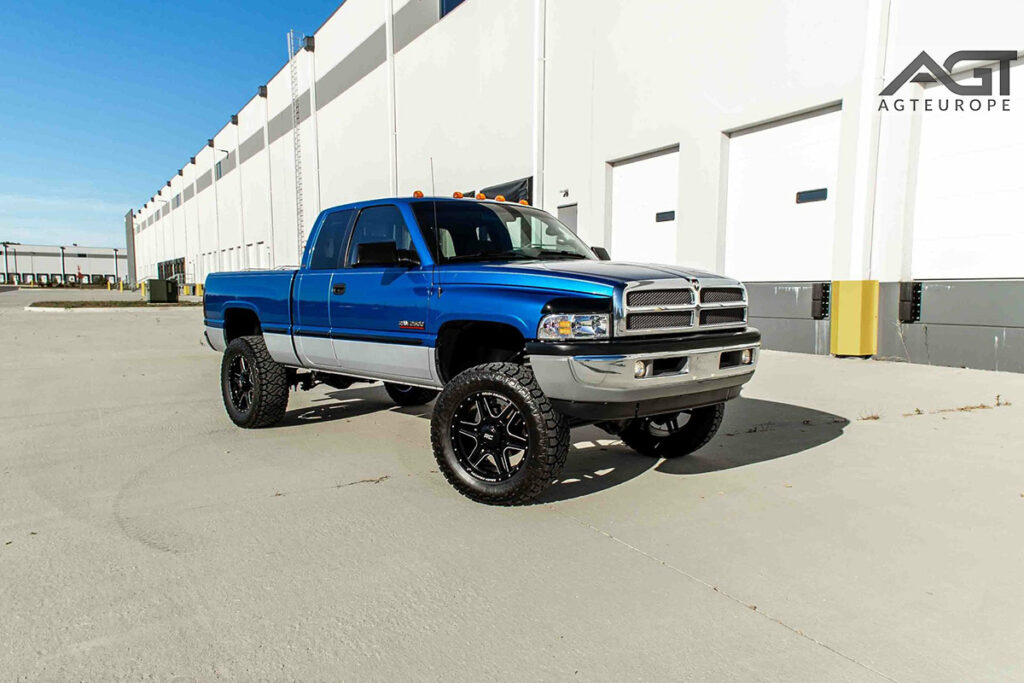
A well-maintained Cummins can last 400,000 miles or more. Most major failures happen in trucks with poor maintenance, cheap parts, or skipped oil changes. Look for:
- Oil changes every 5,000–7,500 miles (or less)
- Transmission service every 30,000–60,000 miles
- Regular fuel filter changes
- Cooling system flushes
Ask to see receipts. A thick folder of records is a very good sign.
Credit: agtauto.com
Should You Buy Gas Or Diesel?
The Cummins diesel is famous for towing and durability, but it’s not the best choice for everyone. Consider a gas engine if:
- You rarely tow heavy loads
- You drive mostly short distances
- You want lower repair costs
Diesels cost more to maintain, and emission systems are more complex. But if you haul often, the Cummins is hard to beat.
How Dodge And Cummins Responded
Both Dodge (now Ram Trucks) and Cummins have made many changes to fix past problems. For example:
- The VP44 and 53 block issues are gone in later models.
- The 2004.5+ common rail has better injectors.
- Emission systems improved after 2013.
- The Aisin transmission (available after 2013) is much stronger.
Always check for recalls and software updates if you buy a newer truck. The official Ram Trucks and Cummins websites have more info.
Where To Learn More
Want more details? For in-depth specs, owner reports, and technical bulletins, check Cummins Official Website. You’ll find engine history, service tips, and parts guides.
Frequently Asked Questions
What Is The “53 Block” And Why Is It Bad?
The 53 block is a casting number found on some 1998.5–2001 Cummins engines. These blocks have thin walls that often crack, leading to coolant leaks and sometimes total engine failure. Repair is expensive, and many owners avoid these blocks completely.
How Do I Know If A Used Cummins Has Injector Problems?
Look for rough idle, white smoke, hard starting, or “knocking” sounds. On common rail engines (2003+), scan for injector balance rates. If injectors are leaking or failing, replacement is costly.
Are The Newer 6.7l Cummins Engines More Reliable?
Yes, especially models from 2014 onward. The DEF and DPF systems are improved, and the electronics are more stable. Still, regular highway driving and good maintenance are key for long life.
Is It Safe To “delete” The Emission System On A Dodge Cummins?
While some owners remove the DPF/EGR/DEF systems for reliability, this is illegal in most areas and can void your warranty. It may also cause inspection issues and fines. Always check local laws before modifying emission equipment.
What’s The Best Transmission For A Dodge Cummins?
The Aisin AS69RC automatic (offered after 2013) is the strongest factory option. The older 48RE and 68RFE have more issues, especially with heavy towing. Manual transmissions (G56, NV5600) are also very durable if maintained.

Credit: www.camerasource.com
Final Thoughts
The Dodge Cummins is a legend for a reason—but not every year is a safe bet. Some models come with engine and emission problems that can empty your wallet. If you’re looking for a used diesel truck, avoid the years known for weak parts, especially 1998.
5–2002 (53 block and VP44), 2003–2004 (injectors), and 2007. 5–2009 (emission problems).
Focus on trucks with a great service history, check for common issues before you buy, and don’t be afraid to walk away if something feels wrong. With careful shopping, you can enjoy the power of a Cummins without the headaches.
A little research now will save you big money—and give you a truck you can count on for years to come.